





Technologies
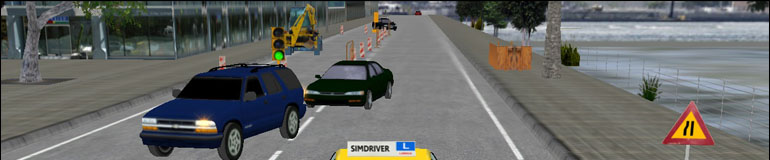
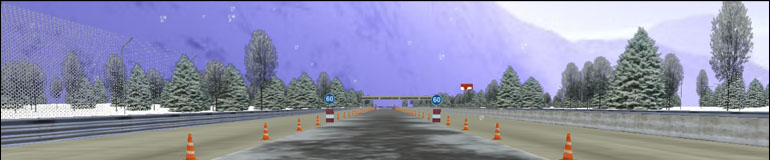
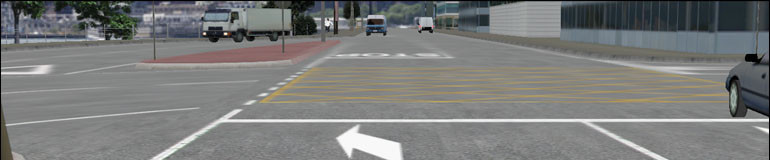
The intrinsic characteristics of the product highlights the use of information technologies for image processing and to allow interactivity between the student/ driver?s actions over the controls and the behavior/ reaction of the images of the various simulators, which will allow to incorporate into an innovative product the result of a technological development by Brainwork ? the labor of 15 years of experience in products of the same kind.
These solutions, in addition to serving as an incentive to acquire the simulator will also give the company an evolutionary and flexible perspective, providing systematic contact with the technologies of the future in the field of simulation and animation, which is vital for a company?s survival in the medium term.
Physical interface
The physical part of the simulator includes all components directly related to a motor vehicle:
- Adjustable seat;
- Seatbelt;
- Steering wheel;
- Pedals;
- Gearbox;
- Handbrake;
- Turn signals switch;
- Windscreen wipers switch;
- Ignition;
- Hazard flashers;
- Horn;
- Virtual dashboard which, in turn, includes speedometer, tachometer, gear engaged, fuel gauge, temperature gauge, and warning lights, etc..
3D Software
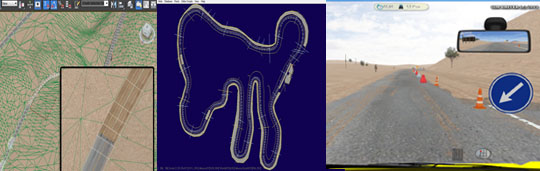
On the other hand, such solutions are facilitated in technical terms because will result only of software programming and development ? and as such not leading to any change of the simulator?s physical part, already installed for the client and in full operation.
To meet the client?s needs it is necessary to monitor technological developments in graphic computation and respond to didactic needs. To answer these questions, Brainwork developed the product?s ?Engine 3D?, as well as all of the simulation software.
Computer system and electronics
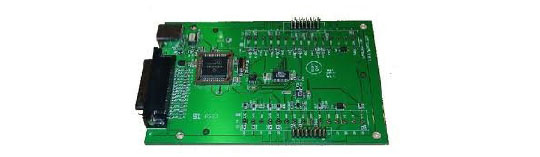
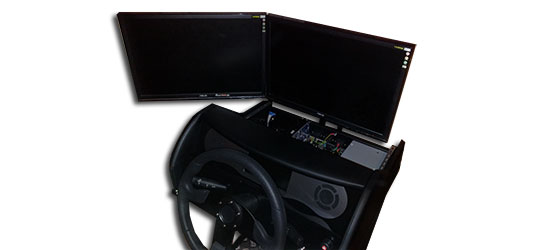
The driving simulator uses computer equipment with specific characteristics as its ?engine?. The computer and electronic system are embedded in the very structure of the simulator to make it more compact.
The technology is visible in the image above.
The electric and electronic systems designed for the simulator are intended to create the interface between the mechanical elements of the support structure and the computerized system.
The simulator?s power supply is fed from the public network 220 V / 50 Hz. To ensure system stability, as well as safeguarding instructing data in case of power failure, the system can rely on an uninterruptible power supply (UPS) that continuously feeds the vital components of the machine.
For countries where the voltage is of 110V instead of 220V, the solution becomes very easy, simply replacing the power supply for another that adapts the voltage through a small switch located in the rear.
The transfer of analog and digital signals occurs in two directions. On the one hand, the system reads the information supplied by various sensors installed in mechanical components, conditions and adapts signal levels and finally displays this information to the PC processing unit.
On the other hand, the system receives signals from the PC, which in turn are also processed and adapted so as to be implemented in the simulator?s electromechanical components.